In fact, Grillo is arguably one of the island’s three most important indigenous white varieties. The others are Carricante, cultivated in the shadows of Mount Etna on Sicily’s eastern coast and the cornerstone of the increasingly popular Etna Biancos, and Catarratto, the most planted white variety, which is also used in Marsala and many other white wines.
Grillo is grown pretty much all over the island, with a concentration on the western side, and you’ll find the wines under the island-wide Sicilia denomination or DOC, usually with the name of the grape (thankfully) on the label as well.
Grillos are marked by aromas of white flowers, herbs, citrus, especially grapefruit and orange, and stone fruits, and often finish on the palate with a touch of bitterness that’s more interesting than off-putting. With their racy acidity, they’re great summer wines for fish and other lighter fare.
As Hugh Johnson and Jancis Robinson point out in “The World Atlas of Wine,” “Grillo is particularly good at retaining its acidity in the harshest heat and its saline, mineral dry whites are increasingly valued.”
While herbal notes are a characteristic of the wines, the better ones also have lovely fruit that combines seamlessly with the herbal and floral elements.
The wines below were mostly aged in stainless steel or concrete tanks. One of the Grillos I sampled (not included here) was aged for several months in acacia barrels and was dominated by the wood. For Grillo, it seems to me, the less barrel aging the better. [continue]
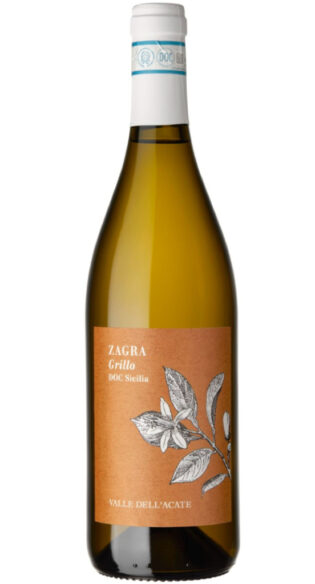
Valle dell’Acate Sicilia Grillo ‘Zagra’ 2023
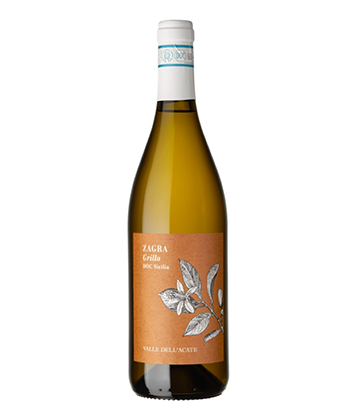
There’s a hint of spearmint along with the white peach and almond notes in this wine. Touches of honey, salt, and lime emerge on the mid-palate and extend onto the long finish. The vineyards are farmed organically in sandy-clay soils. It’s also another exceptional value.
Price: $20